The Greatest Coaches in Basketball History
What separates a good coach from a great one? Over 70 years of watching basketball at every level, I have come to believe that the truly great coaches share a rare combination of vision, adaptability, and the ability to get the most out of extraordinary talent. Here are my thoughts on the greatest coaches the game has ever seen — and a special tribute to one who built something remarkable right before my eyes.
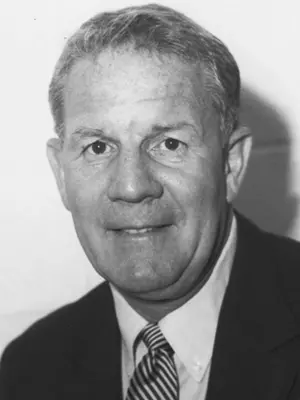
What separates a good coach from a great one? Over 70 years of watching basketball at every level — as a player, an assistant coach, a head coach, and a lifelong student of the game — I have come to believe that the truly great coaches share a rare combination of vision, adaptability, and the ability to get the most out of extraordinary talent. They impose their will on the game through their players without diminishing those players. They win with different rosters, in different eras, and under different circumstances. That is the mark of genuine greatness.
At the professional level, no one surpasses Phil Jackson. Eleven NBA championships — six with the Chicago Bulls and five with the Los Angeles Lakers — is a record that may never be broken. Jackson's genius was not just the triangle offense or the Zen philosophy he brought to the locker room. It was his ability to manage the egos and the brilliance of Michael Jordan, Scottie Pippen, Shaquille O'Neal, and Kobe Bryant simultaneously, and still get them to subordinate their individual greatness to the team's purpose. Red Auerbach built the Boston Celtics dynasty from scratch, winning nine championships in ten years between 1956 and 1966, and his eye for talent — drafting Bill Russell when no one else would — changed the game forever. Gregg Popovich is the modern standard-bearer, winning five titles across three decades with the San Antonio Spurs by building a culture of selflessness and accountability that outlasted any single superstar.
In college basketball, John Wooden stands alone. Ten national championships at UCLA, seven of them consecutive, is an achievement so far beyond anything else in the history of the sport that it borders on the inconceivable. Wooden's Pyramid of Success was not a motivational poster — it was a living philosophy that produced not just great basketball teams but great men. Mike Krzyzewski at Duke, Dean Smith at North Carolina, and Adolph Rupp at Kentucky all built programs that transcended generations. Each of them understood that recruiting talent is only the beginning; developing that talent into something greater than the sum of its parts is the real work of coaching.
There are several current college coaches that I believe are among the best ever to pace the sidelines. Tom Izzo at Michigan State, Bill Self at Kansas, Rick Pitino at St. John's, Kelvin Sampson at Houston, Mark Few at Gonzaga, and Rick Barnes at Tennessee, to name a few.
At the high school and junior college level, the great coaches are often invisible to the national spotlight but no less consequential. They are the ones who see potential before it is obvious, who teach fundamentals before the highlight reel, and who shape young men at the most formative moments of their lives. I was fortunate to coach at several of those levels, and I know firsthand how much those coaches matter.
But of all the coaches I have been privileged to observe up close, one stands apart in my personal experience: Ken Trickey at Oral Roberts University.
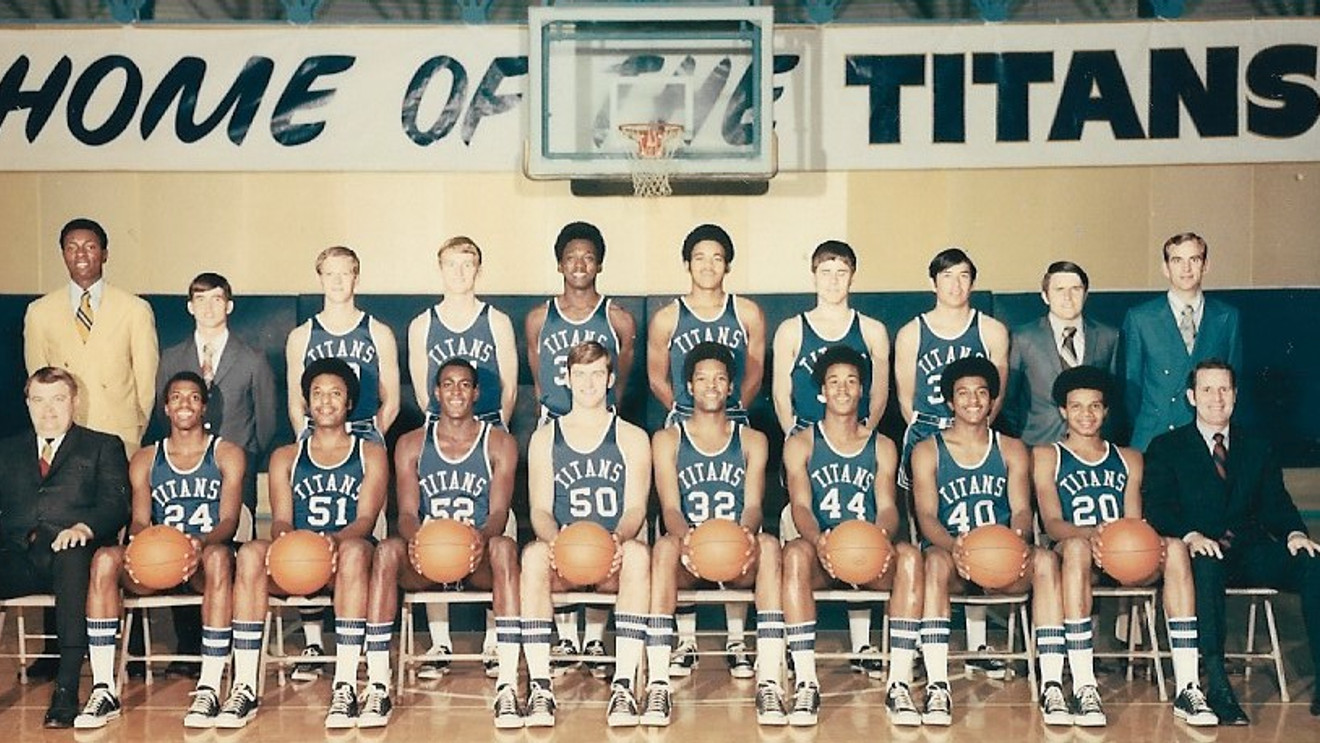
When Ken Trickey arrived at ORU in 1969, he inherited a program that had just finished 14-10 as a NAIA school. What he built over the next five years was, in my view, one of the most remarkable coaching achievements in the history of college basketball. In his very first season, Trickey's Titans went 27-4. Over the next five years, ORU went 118-23 — a winning percentage that would be extraordinary at any program, but was almost unimaginable for a school transitioning from the NAIA to Division I competition against major programs.
Trickey's teams were built on a philosophy of relentless, high-tempo offense. His teams led the nation in scoring twice during that five-year run, including an almost unbelievable 105 points per game average during the 1971-72 season when ORU finished 26-2. The Titans went to back-to-back National Invitational Tournaments in 1972 and 1973, and in 1974 they reached the NCAA Elite Eight as an independent, defeating Syracuse and Louisville before falling to Kansas 93-90 in overtime in one of the most memorable regional finals of that era. That 1974 team, led by All-American Sam McCants, finished 21-6 and ranked 18th in the final national poll. All five starters averaged in double figures.
Over his two stints at ORU (1969-74 and 1987-93), Trickey won 214 games — a school record that stood for decades. In 2009, he became the first coach ever inducted into the Oral Roberts University Athletics Hall of Fame, a recognition long overdue. He passed away in December 2012 at the age of 79.
I was an assistant coach at ORU during that first five-year run, and I can tell you that what Ken Trickey built was not just a winning program — it was a basketball culture. He recruited players who fit his system, he coached them relentlessly, and he created an environment where excellence was expected and mediocrity was not tolerated. The auxiliary court at ORU has since been named after Richard Fuqua, the first of ten All-Americans Trickey would develop at ORU, a fitting tribute to a program that produced over 15 players who went on to be drafted by the NBA.
I devoted over 50 pages to my Oral Roberts experiences in my book Welcome to My World, because those four years were among the most formative of my life in basketball. Ken Trickey gave me a front-row seat to something that will never happen again in college basketball — a program that went from NAIA obscurity to the Elite Eight of the NCAA Tournament in five years. That is the work of a great coach.
Stay in the Game
Get more debates, rankings, and deep dives from Jack Sutter — 70+ years of basketball knowledge delivered straight to your inbox. Pick what you want to read:
No spam. Unsubscribe anytime.
Ask Jack a Question
Have a question about this article? Want to challenge Jack's take? Want him to cover a specific player, era, or topic? Send it in — Jack reads every message.
Jack has spent 70+ years playing, coaching, and watching basketball. Former D1 player at Middle Tennessee State, assistant coach at Oral Roberts University (3 All-Americans, 7 NBA Draftees, Top 10 rankings, 1974 Elite Eight), and author of three books on the sport he loves.
Enjoyed This Post?
Jack Sutter has spent 70 years playing, coaching, and watching players play the game he loves. His books are written for the casual basketball fan as well as the "hard core" fan.
You Might Also Like
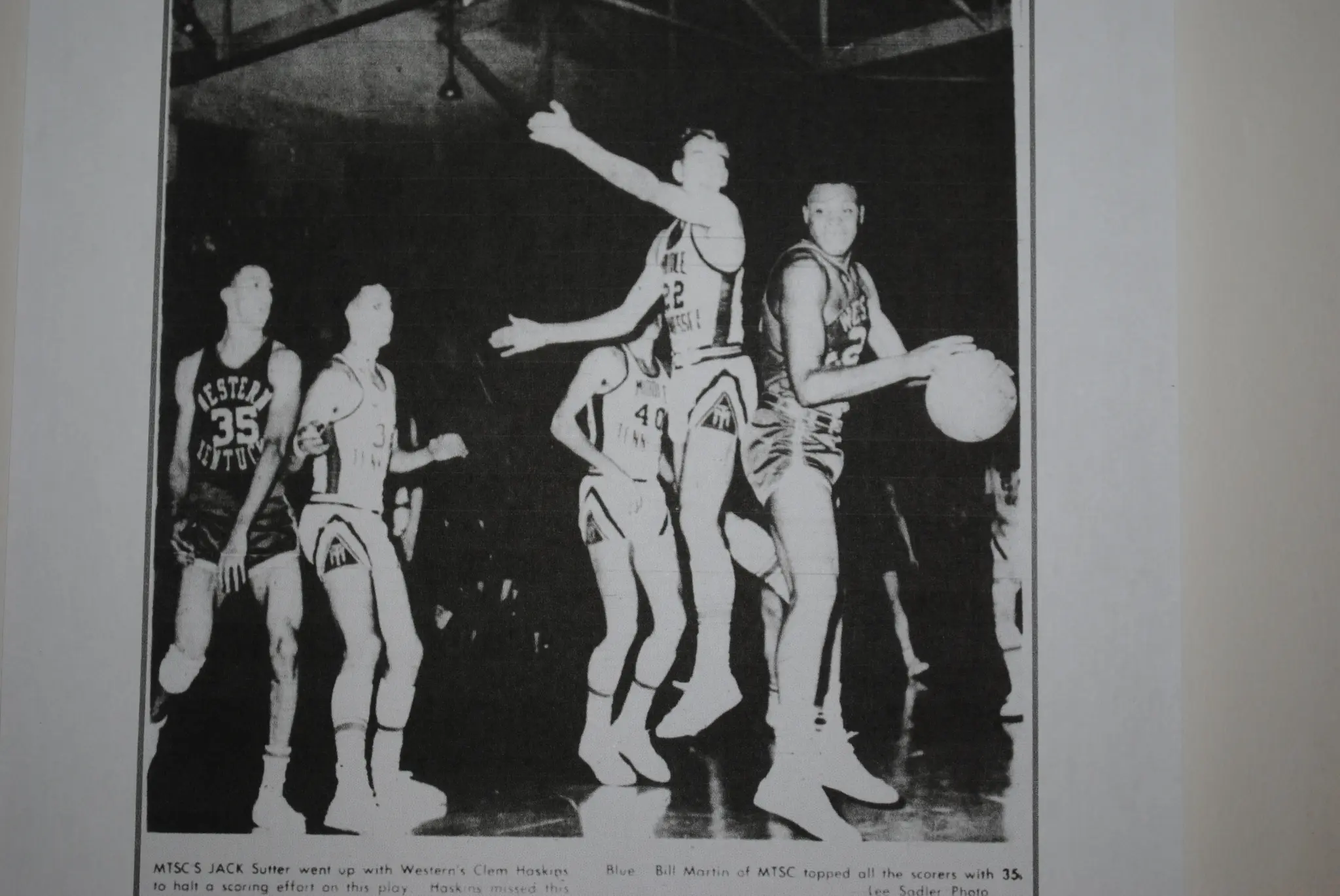
Five Maverick Coaches Who Revolutionized College Basketball
Rather than focus on the NCAA Tournament I want to focus on five coaches that I think revolutionized college basketball — coaches who were ahead of their time, rebels who changed the game forever.
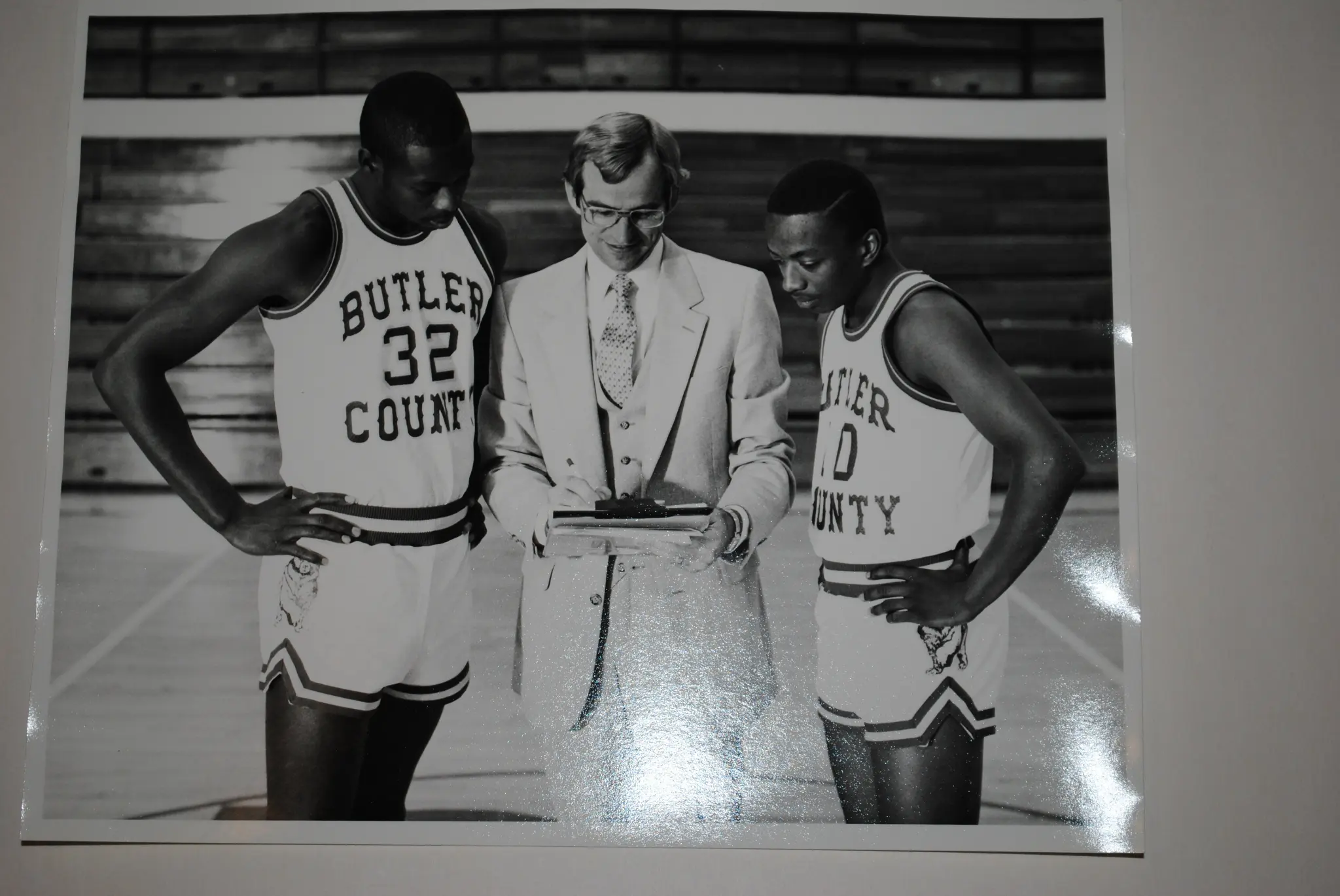
How Do You Spell COACH?
Several years ago I read Rick Pitino’s book “Success Is A Choice”. I consider Coach Pitino one of the top 10 college coaches of all time. He certainly has had his share of success. In his 275 page boo...
What Makes a Great Basketball Player: 10 Criteria
1992 USA Basketball Team *Dream Team The most talked about subject in all sports is who is the BEST. If you want to create interest OR create animosity just offer up your opinion about the best shoot...

Basketball GOATS by Era
If there has been one topic in basketball that would be classified as “over-kill” it would have to be the discussion or debate about who is the G.O.A.T. (the greatest of all time). I totally understan...
Discussion
Join the Debate
Sign in to share your take and join the conversation.
No comments yet. Be the first to share your take.